The Power of Sleep Meditation for Anxiety Relief
Dealing with anxiety can be a challenging and overwhelming experience. The constant worries, racing thoughts, and physical symptoms can disrupt your daily life and affect your overall well-being. One effective way to manage anxiety and promote relaxation is through sleep meditation.
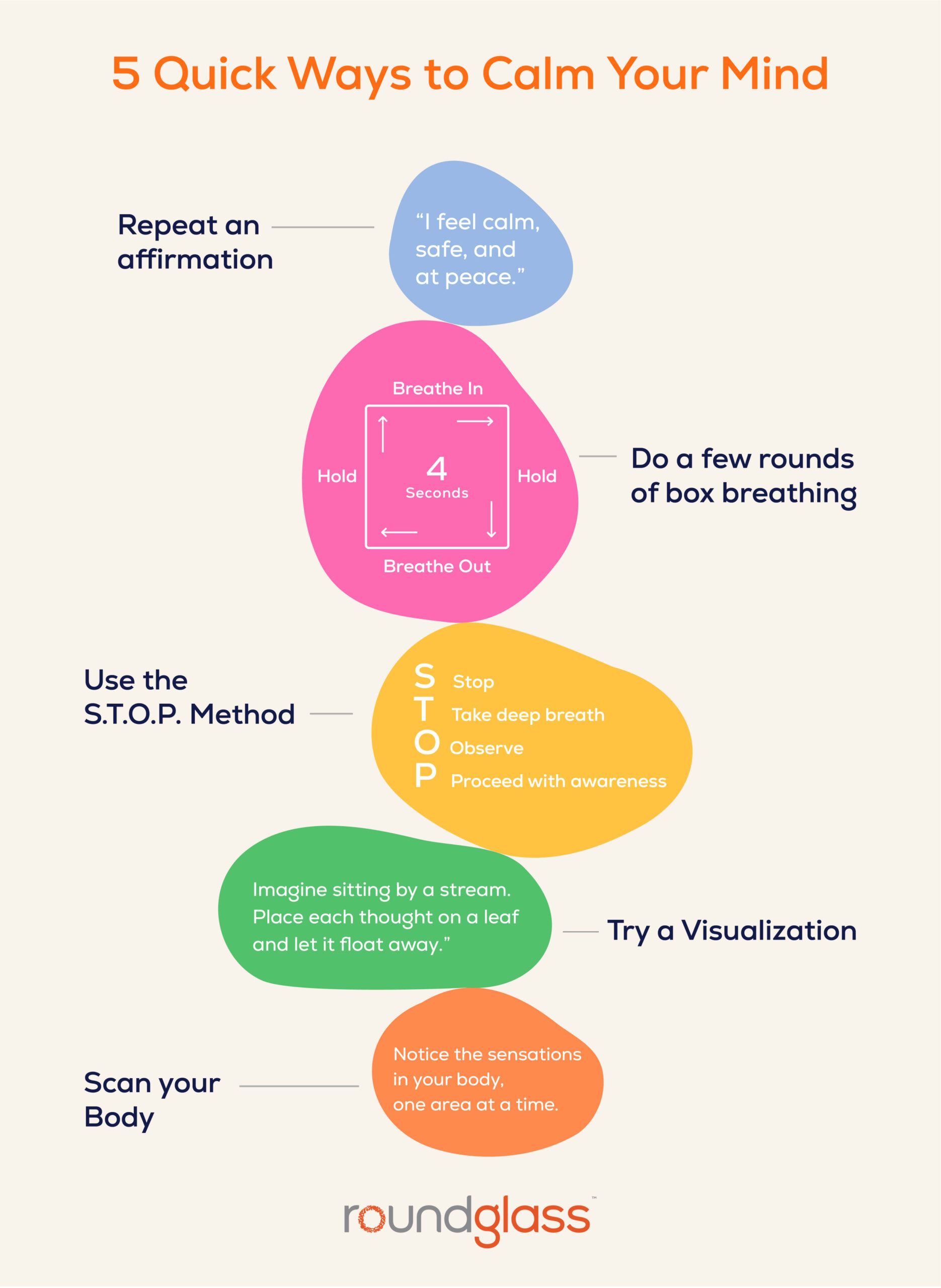
Sleep meditation is a practice that involves calming the mind and body to induce a state of deep relaxation conducive to sleep. By incorporating mindfulness techniques, breathing exercises, and guided imagery, sleep meditation can help reduce anxiety levels and improve the quality of your sleep.
How Sleep Meditation Helps with Anxiety:
**Calms the Mind:** Sleep meditation encourages you to focus on the present moment, letting go of worries about the past or future. This helps quieten the mind and reduce anxious thoughts that may keep you awake at night.
**Relaxes the Body:** Deep breathing exercises and progressive muscle relaxation techniques used in sleep meditation help release tension in the body. This physical relaxation can alleviate symptoms of anxiety such as restlessness and muscle tension.
**Promotes Mindfulness:** By cultivating mindfulness during sleep meditation, you learn to observe your thoughts without judgment. This practice can enhance self-awareness and help you develop a more positive relationship with your emotions.
Tips for Incorporating Sleep Meditation into Your Routine:
- **Create a Relaxing Environment:** Set up a peaceful sleep space free from distractions.
- **Establish a Bedtime Routine:** Develop a consistent pre-sleep ritual that includes meditation practices.
- **Use Guided Meditations:** Listen to guided sleep meditations to help you relax and unwind before bed.
- **Practice Deep Breathing:** Focus on slow, deep breaths to calm your nervous system and prepare for sleep.
- **Be Patient:** It may take time to see the full benefits of sleep meditation, so be patient with yourself as you incorporate this practice into your routine.
In conclusion, incorporating sleep meditation into your bedtime routine can be a valuable tool in managing anxiety and improving your overall well-being. By dedicating time to quieting your mind, relaxing your body, and fostering mindfulness, you can experience deeper restful nights and wake up feeling more refreshed and at ease. Give yourself the gift of peaceful slumber through the practice of sleep meditation.
Addressing Night-Time Anxiety: Effective Sleep Meditation Techniques and Common Concerns
- How to deal with severe anxiety at night?
- How to calm anxiety fast?
- Can anxiety cause sleep apnea?
- Why is anxiety so high at night?
How to deal with severe anxiety at night?
Dealing with severe anxiety at night can be a daunting challenge, but incorporating sleep meditation into your bedtime routine can be a powerful tool to help manage this issue. By practising mindfulness techniques, deep breathing exercises, and guided imagery before bed, you can calm your mind and relax your body, creating a conducive environment for restful sleep. Establishing a calming pre-sleep ritual and creating a peaceful sleep environment are essential steps in managing severe anxiety at night. Consistency and patience in incorporating sleep meditation practices can gradually alleviate anxiety symptoms and improve the quality of your sleep, allowing you to wake up feeling more refreshed and at ease each morning.
How to calm anxiety fast?
When seeking ways to calm anxiety quickly, incorporating sleep meditation into your routine can be a powerful tool. By focusing on deep breathing, mindfulness techniques, and guided imagery, sleep meditation can help soothe anxious thoughts and promote relaxation. Taking just a few minutes to engage in these practices can provide immediate relief by calming the mind and body, allowing you to find a sense of peace and tranquility amidst the chaos of anxiety. Embracing the simplicity and effectiveness of sleep meditation offers a fast and accessible way to manage anxiety and cultivate a sense of inner calm in moments of distress.
Can anxiety cause sleep apnea?
Anxiety is known to have a significant impact on sleep, often leading to disturbances such as insomnia or disrupted sleep patterns. While anxiety itself does not directly cause sleep apnea, there is a complex relationship between anxiety and sleep disorders. Individuals with anxiety may experience heightened stress levels and muscle tension, which can contribute to breathing difficulties during sleep. Moreover, the fragmented and poor-quality sleep associated with anxiety can exacerbate existing sleep apnea symptoms or increase the risk of developing this condition. It is essential for individuals experiencing both anxiety and potential symptoms of sleep apnea to seek professional medical advice for proper evaluation and management of their conditions.
Why is anxiety so high at night?
Anxiety often peaks at night due to a combination of factors that can exacerbate feelings of unease and restlessness. During the day, distractions and activities may help keep anxious thoughts at bay, but as night falls and the world quiets down, the mind can become more susceptible to negative rumination. Additionally, the lack of external stimulation can amplify worries and fears, making them feel more overwhelming in the silence of the night. Hormonal changes that occur during the evening hours can also play a role in intensifying anxiety symptoms. The darkness and solitude of nighttime can create a sense of vulnerability, making it harder to cope with anxious thoughts and emotions. Implementing sleep meditation techniques before bedtime can help calm the mind, relax the body, and provide a sense of peace that aids in managing nighttime anxiety levels.