The Power of Meditation for Sleep and Anxiety
Are you struggling to find peace of mind amidst the chaos of daily life? Do sleepless nights and anxiety-ridden days plague your existence? Perhaps it’s time to consider incorporating meditation into your routine.
Meditation is a powerful practice that has been used for centuries to promote relaxation, reduce stress, and enhance overall well-being. When it comes to addressing issues such as sleep disturbances and anxiety, meditation can be a game-changer.
Benefits of Meditation for Sleep:
Many individuals find it challenging to switch off their minds at night, leading to insomnia and disrupted sleep patterns. Meditation can help calm the mind and body, making it easier to drift off into a restful slumber.
By practising meditation before bedtime, you can create a soothing bedtime routine that signals to your body that it’s time to unwind. Focusing on your breath or repeating calming mantras can help quiet racing thoughts and induce a state of relaxation conducive to sleep.
Benefits of Meditation for Anxiety:
Anxiety can manifest in various forms, from general unease to full-blown panic attacks. Meditation provides a tool to manage anxiety by cultivating mindfulness and promoting inner peace.
Through regular meditation practice, individuals can learn to observe their thoughts without judgment, allowing them to develop a greater sense of self-awareness. This awareness can help identify triggers for anxiety and provide a means to navigate through stressful situations with more clarity and composure.
Getting Started with Meditation:
If you’re new to meditation, don’t be intimidated – it’s a practice that anyone can learn. Start by setting aside just a few minutes each day to sit quietly and focus on your breath. Gradually increase the duration as you become more comfortable with the practice.
There are various forms of meditation – from guided visualisations to mindfulness exercises – so explore different techniques until you find one that resonates with you. Remember that consistency is key; the more regularly you meditate, the greater the benefits you’re likely to experience.
Whether you’re seeking better sleep or relief from anxiety, meditation offers a holistic approach that addresses both the mind and body. Take the first step towards a calmer, more peaceful existence by incorporating meditation into your daily routine.
7 Essential Meditation Tips for Better Sleep and Reduced Anxiety
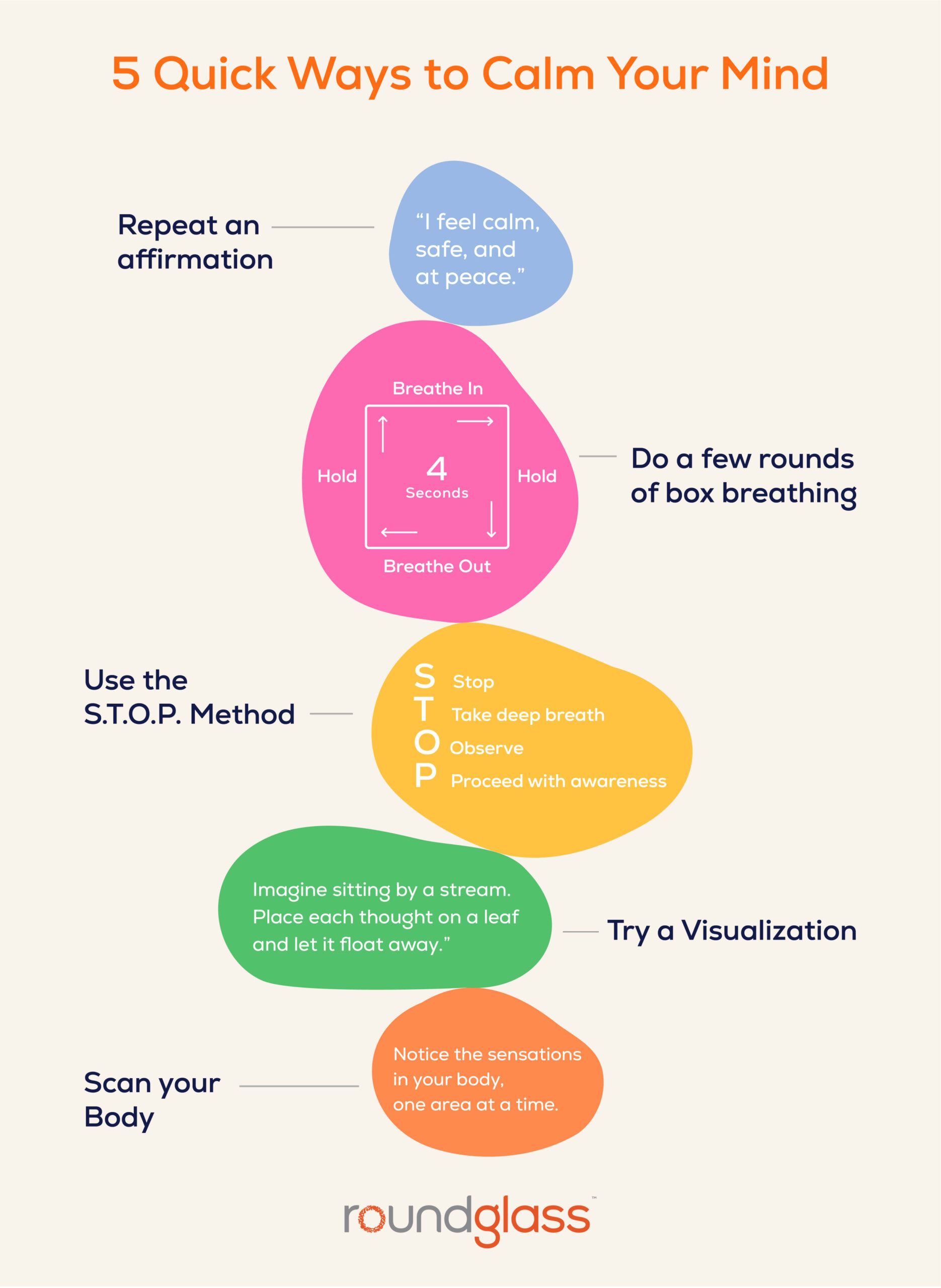
- Practice deep breathing exercises before bedtime to calm the mind and body.
- Try progressive muscle relaxation techniques to release tension and promote relaxation.
- Focus on mindfulness meditation to stay present and reduce anxious thoughts.
- Create a bedtime routine that includes meditation to signal your body that it’s time to wind down.
- Use guided meditation apps or recordings to help you stay focused during your practice.
- Experiment with different types of meditation, such as loving-kindness or body scan, to find what works best for you.
- Be patient and consistent with your meditation practice, as it may take time to see significant improvements in sleep and anxiety levels.
Practice deep breathing exercises before bedtime to calm the mind and body.
Engaging in deep breathing exercises before bedtime can be a transformative practice to soothe both the mind and body. By focusing on your breath and taking slow, deliberate inhalations and exhalations, you can signal to your nervous system that it’s time to unwind and relax. This simple yet powerful technique helps to quiet racing thoughts, release tension, and create a sense of calm conducive to a restful night’s sleep. Incorporating deep breathing into your bedtime routine can not only improve the quality of your sleep but also alleviate anxiety, allowing you to approach each day with a greater sense of peace and clarity.
Try progressive muscle relaxation techniques to release tension and promote relaxation.
One effective tip for using meditation to improve sleep and alleviate anxiety is to incorporate progressive muscle relaxation techniques into your practice. By systematically tensing and then relaxing different muscle groups in the body, you can release pent-up tension and promote deep relaxation. This method not only helps to ease physical discomfort but also calms the mind, making it easier to let go of stress and worries. Integrating progressive muscle relaxation into your meditation routine can enhance its effectiveness in fostering a sense of tranquillity and aiding in achieving a restful night’s sleep.
Focus on mindfulness meditation to stay present and reduce anxious thoughts.
By focusing on mindfulness meditation, individuals can cultivate a sense of presence and awareness that helps to diminish anxious thoughts and promote a state of calm. Mindfulness meditation encourages individuals to stay grounded in the present moment, allowing them to observe their thoughts without becoming overwhelmed by them. This practice enables individuals to acknowledge their anxious thoughts without getting caught up in them, fostering a greater sense of clarity and tranquillity.
Create a bedtime routine that includes meditation to signal your body that it’s time to wind down.
To improve sleep quality and alleviate anxiety, consider integrating meditation into your bedtime routine. By incorporating a calming meditation session before bed, you can effectively signal to your body that it’s time to wind down and prepare for rest. This deliberate practice helps quiet the mind, reduce stress levels, and create a peaceful transition into a state of relaxation conducive to a good night’s sleep. Embracing meditation as part of your nightly ritual can have a profound impact on both your sleep patterns and overall mental well-being.
Use guided meditation apps or recordings to help you stay focused during your practice.
For those looking to enhance their meditation practice for better sleep and anxiety relief, utilising guided meditation apps or recordings can be a valuable tool. These resources offer structured sessions led by experienced instructors, helping individuals stay focused and engaged throughout their meditation practice. By following along with guided meditations, listeners can benefit from expert guidance, soothing music, and calming visualisations that support relaxation and mindfulness. Incorporating guided meditation into your routine can assist in deepening your practice and achieving a greater sense of tranquillity to promote restful sleep and alleviate anxiety.
Experiment with different types of meditation, such as loving-kindness or body scan, to find what works best for you.
To enhance your meditation practice for sleep and anxiety, consider experimenting with various types of meditation techniques, such as loving-kindness or body scan. By exploring different approaches, you can discover what resonates most with you and brings the greatest benefits. Whether you find solace in sending positive intentions through loving-kindness meditation or prefer the deep relaxation of a body scan practice, embracing variety can help tailor your meditation sessions to suit your unique needs and preferences. Allow yourself the freedom to explore and find the method that truly speaks to you, guiding you towards a more peaceful state of mind and restful sleep.
Be patient and consistent with your meditation practice, as it may take time to see significant improvements in sleep and anxiety levels.
To effectively harness the benefits of meditation for improving sleep and managing anxiety, it is crucial to maintain patience and consistency in your practice. While the positive impacts of meditation on sleep quality and anxiety levels are well-documented, they may not be immediate. By dedicating yourself to regular meditation sessions and allowing time for the practice to take effect, you pave the way for significant improvements in your overall well-being. Remember, like any skill, mastering meditation requires commitment and perseverance – so stay patient and trust in the process as you work towards a more peaceful mind and restful sleep.