The Power of Relaxation for Managing Anxiety
Anxiety is a common mental health issue that can have a significant impact on daily life. From racing thoughts to physical symptoms like rapid heartbeat and sweating, anxiety can be overwhelming. While there are various treatment options available, one effective and accessible strategy for managing anxiety is relaxation.
Relaxation techniques can help calm the mind and body, reducing the intensity of anxious feelings and promoting a sense of peace and well-being. By incorporating relaxation practices into your daily routine, you can build resilience against anxiety triggers and improve your overall mental health.
Types of Relaxation Techniques
There are many different relaxation techniques that you can explore to find what works best for you. Some popular methods include:
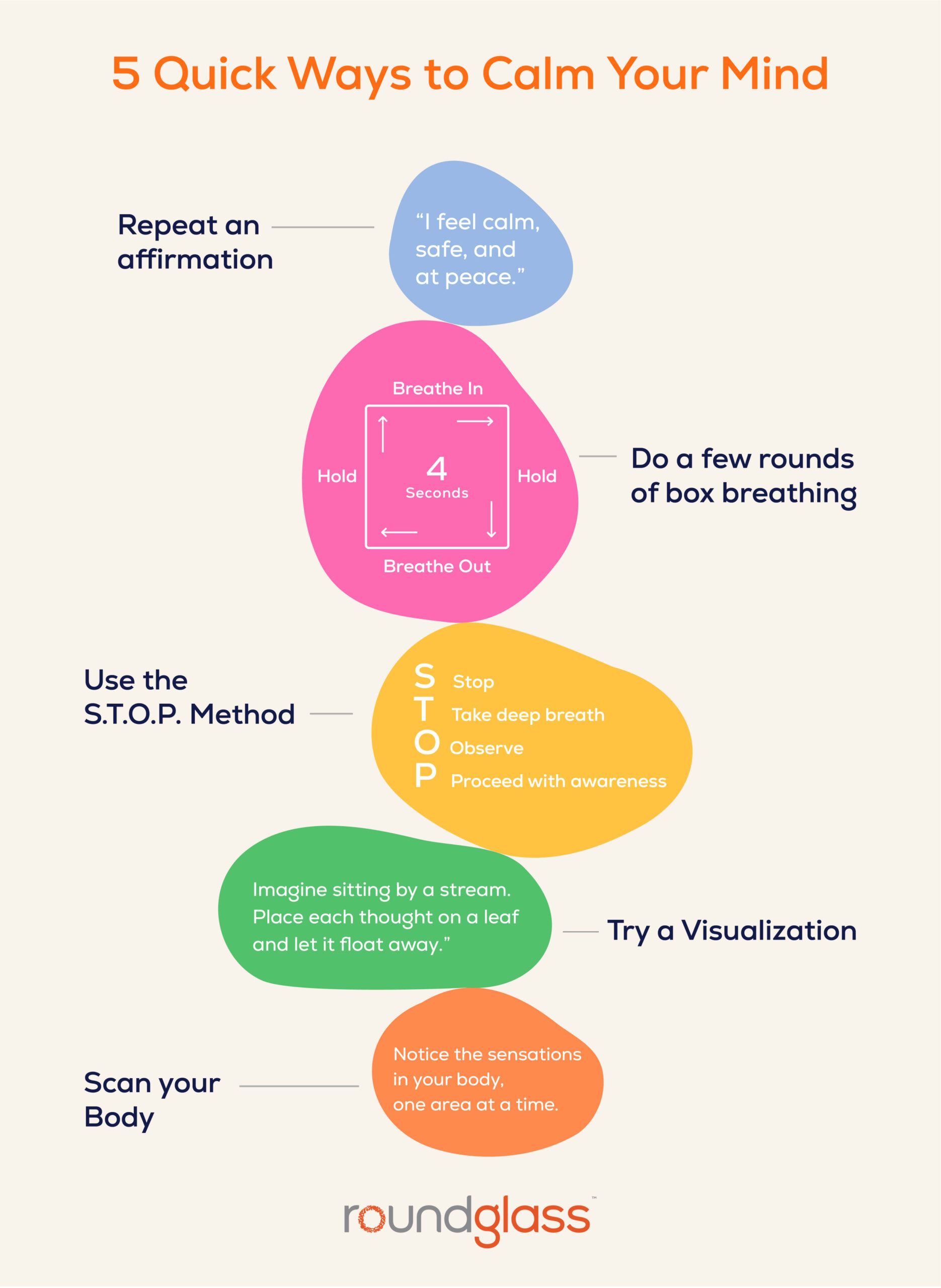
- Deep Breathing: Focusing on slow, deep breaths can help regulate your heart rate and promote relaxation.
- Progressive Muscle Relaxation: Tensing and then releasing each muscle group in your body can help release physical tension.
- Mindfulness Meditation: Practising mindfulness can help you stay present in the moment and reduce anxious thoughts.
- Yoga: Combining movement with breath awareness, yoga can promote relaxation and flexibility.
The Benefits of Relaxation for Anxiety
When you regularly practice relaxation techniques, you may experience a range of benefits in managing anxiety:
- Reduced Stress Levels: Relaxation helps lower cortisol levels in the body, reducing stress and anxiety symptoms.
- Better Sleep: Calming the mind before bedtime can improve sleep quality and reduce nighttime anxiety.
- Improved Focus: Relaxation techniques can enhance concentration and productivity by calming racing thoughts.
- Enhanced Emotional Well-being: Regular relaxation practices can boost mood and increase feelings of positivity.
Incorporating Relaxation into Your Routine
To reap the benefits of relaxation for managing anxiety, it’s essential to make it a regular part of your daily routine. Set aside dedicated time each day to practice your chosen relaxation technique, whether it’s in the morning to start your day on a calm note or in the evening to unwind before bed.
Remember that finding the right technique may require some experimentation. Explore different methods until you find one that resonates with you and brings relief from anxiety symptoms. Consistency is key to reaping the full benefits of relaxation for anxiety management.
In conclusion, relaxation is a powerful tool for managing anxiety and promoting overall mental well-being. By incorporating relaxation techniques into your daily routine, you can cultivate inner peace, reduce stress levels, and build resilience against anxiety triggers. Take time for yourself each day to relax, unwind, and nurture your mental health.
Eight Effective Strategies for Alleviating Anxiety and Promoting Relaxation
- Practice deep breathing exercises
- Engage in regular physical activity
- Try progressive muscle relaxation techniques
- Meditate or practice mindfulness
- Listen to calming music or sounds
- Spend time in nature or outdoors
- Limit caffeine and alcohol intake
- Get enough quality sleep
Practice deep breathing exercises
Practising deep breathing exercises is a simple yet effective tip for relaxation that can help alleviate anxiety symptoms. By focusing on slow, deep breaths, you can regulate your heart rate, calm your mind, and reduce feelings of stress and tension. Deep breathing promotes a sense of mindfulness and presence in the moment, allowing you to let go of anxious thoughts and embrace a state of tranquillity. Incorporating deep breathing exercises into your daily routine can be a powerful tool for managing anxiety and promoting overall mental well-being.
Engage in regular physical activity
Engaging in regular physical activity is a highly effective tip for reducing anxiety and promoting relaxation. Exercise not only benefits your physical health but also plays a crucial role in improving your mental well-being. Physical activity releases endorphins, the body’s natural mood lifters, which can help alleviate feelings of stress and anxiety. Whether it’s a brisk walk, a yoga session, or a workout at the gym, incorporating regular exercise into your routine can have a profound impact on managing anxiety levels and enhancing overall relaxation. Prioritising physical activity as part of your self-care routine can lead to improved mental clarity, reduced tension, and a greater sense of calmness in daily life.
Try progressive muscle relaxation techniques
Progressive muscle relaxation techniques can be a valuable tool in combating anxiety and promoting a sense of calm. By systematically tensing and then releasing different muscle groups in the body, this method helps to alleviate physical tension and induce a state of relaxation. Through regular practice, individuals can learn to recognise and release muscular stress, leading to reduced anxiety levels and an overall sense of well-being. Give progressive muscle relaxation a try to experience the soothing benefits it offers for both the body and mind.
Meditate or practice mindfulness
Meditating or practising mindfulness is a powerful tip for relaxation and managing anxiety. By taking the time to focus on the present moment and cultivate awareness of your thoughts and feelings without judgment, you can create a sense of calm and inner peace. Mindfulness meditation allows you to observe your anxious thoughts without getting caught up in them, helping to reduce the intensity of anxiety symptoms and promote a greater sense of well-being. Making meditation or mindfulness a regular practice can be a transformative tool in your journey towards managing anxiety and fostering mental clarity.
Listen to calming music or sounds
Listening to calming music or sounds can be a soothing way to alleviate anxiety and promote relaxation. The gentle melodies and harmonious rhythms have the power to quiet a racing mind, slow down the heartbeat, and create a sense of tranquility. Whether it’s the soft notes of classical music, the gentle sounds of nature, or ambient tunes, immersing yourself in calming auditory experiences can help you unwind and find peace amidst the chaos of daily life. Incorporating this simple practice into your routine can be a powerful tool in managing anxiety and nurturing your mental well-being.
Spend time in nature or outdoors
Spending time in nature or outdoors can be a wonderful way to relax and alleviate anxiety. The natural beauty and tranquillity of outdoor settings can have a calming effect on the mind and body, helping to reduce stress levels and promote a sense of peace. Whether it’s taking a leisurely walk in the park, sitting by a serene lake, or simply breathing in fresh air surrounded by greenery, connecting with nature can provide a much-needed escape from the pressures of daily life. Embracing the outdoors allows you to unplug from technology, focus on the present moment, and recharge both mentally and physically.
Limit caffeine and alcohol intake
Limiting caffeine and alcohol intake can play a significant role in managing anxiety. Both caffeine and alcohol are known to exacerbate symptoms of anxiety by increasing heart rate, triggering restlessness, and disrupting sleep patterns. By reducing consumption of these stimulants, individuals can create a calmer internal environment that is less prone to heightened stress levels. Opting for decaffeinated beverages and moderating alcohol consumption can help promote better mental well-being and contribute to a more relaxed state of mind. Making mindful choices about what we consume can have a positive impact on our overall anxiety levels and support a healthier lifestyle.
Get enough quality sleep
Ensuring you get enough quality sleep is a crucial tip for managing anxiety effectively. Sleep plays a vital role in regulating emotions and promoting mental well-being. By prioritising restful and rejuvenating sleep, you give your mind and body the opportunity to recharge, reducing the likelihood of anxious thoughts and feelings overwhelming you. Establishing a consistent bedtime routine, creating a comfortable sleep environment, and practicing relaxation techniques before bed can all contribute to improving the quality of your sleep and ultimately aiding in anxiety relief.