The Power of Meditation for Managing Stress and Anxiety
In today’s fast-paced world, stress and anxiety have become common challenges that many people face. The constant demands of work, relationships, and daily life can take a toll on our mental well-being. Fortunately, meditation offers a powerful tool to help manage and alleviate these feelings of stress and anxiety.
What is Meditation?
Meditation is a practice that involves training the mind to focus and redirect thoughts. By engaging in meditation techniques, individuals can achieve a state of mental clarity and emotional calmness. This ancient practice has been used for centuries to promote relaxation, mindfulness, and overall well-being.
Benefits of Meditation for Stress and Anxiety
Research has shown that regular meditation practice can have numerous benefits for reducing stress and anxiety levels. Some of the key advantages include:
- Stress Reduction: Meditation helps lower the production of stress hormones in the body, leading to a decrease in overall stress levels.
- Anxiety Relief: By promoting relaxation and mindfulness, meditation can help individuals manage feelings of anxiety and worry.
- Improved Emotional Health: Regular meditation practice can enhance emotional stability, self-awareness, and resilience in dealing with life’s challenges.
- Better Focus: Meditation techniques improve concentration and attention span, allowing individuals to stay present in the moment.
How to Get Started with Meditation
If you are interested in incorporating meditation into your daily routine to combat stress and anxiety, here are some simple steps to help you get started:
- Find a Quiet Space: Choose a peaceful environment where you can sit comfortably without distractions.
- Select a Time: Set aside a specific time each day for your meditation practice to establish consistency.
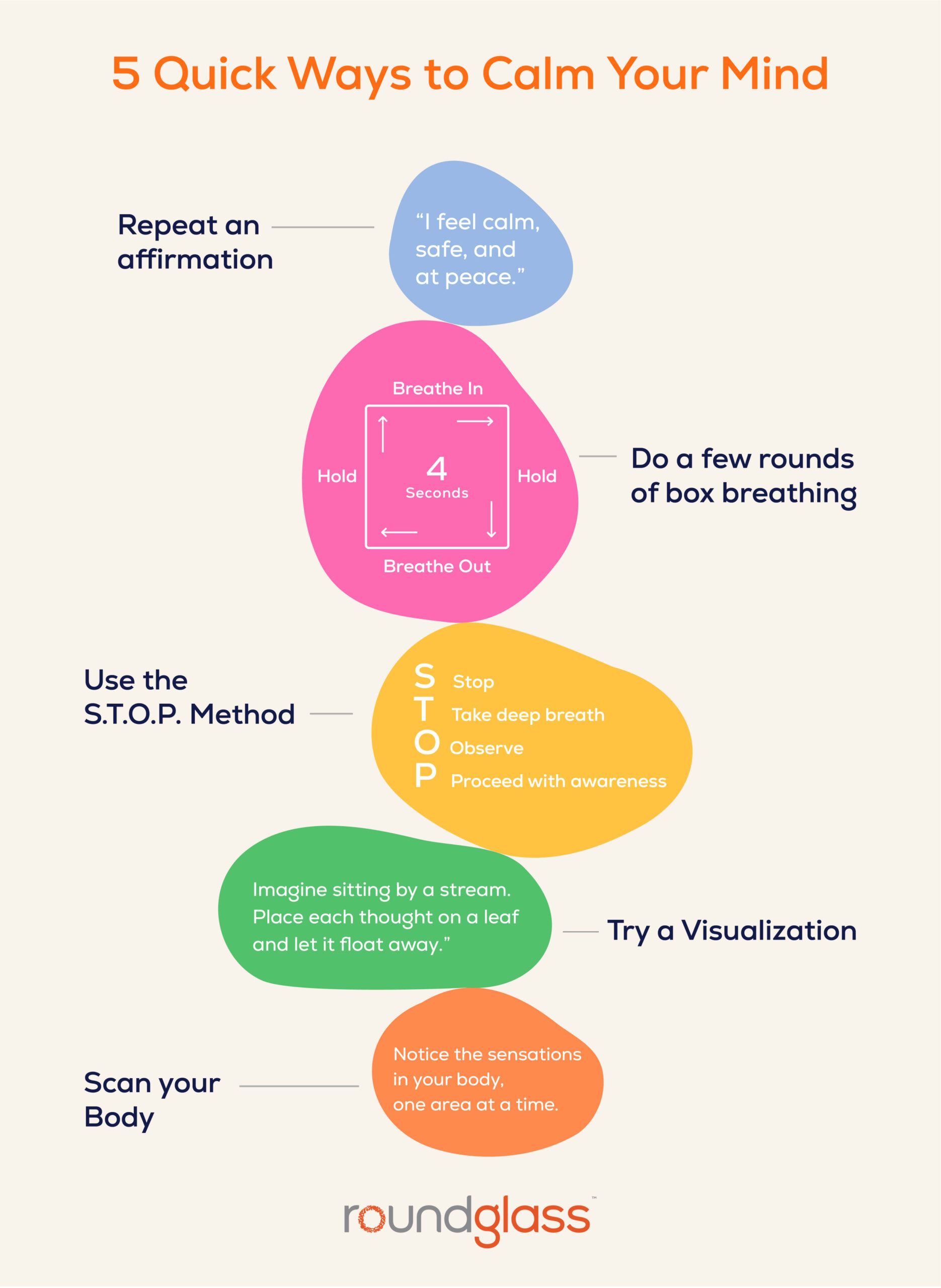
- Breathe Mindfully: Focus on your breath as you inhale and exhale slowly, allowing yourself to relax with each breath.
- Practice Guided Meditation: Consider using guided meditation apps or recordings to assist you in your practice until you feel more comfortable meditating on your own.
Incorporating meditation into your daily routine can be a transformative experience that enhances your overall well-being. By dedicating time each day to quiet your mind and cultivate inner peace, you can effectively manage stress and anxiety while nurturing a sense of balance and harmony within yourself.
Seven Benefits of Meditation for Alleviating Stress and Anxiety
- Reduces levels of stress hormones in the body
- Promotes relaxation and calmness
- Enhances emotional stability and resilience
- Improves focus and concentration
- Helps manage feelings of anxiety and worry
- Encourages mindfulness and self-awareness
- Can be easily incorporated into daily routine
Challenges of Meditation for Stress and Anxiety Relief: Five Potential Drawbacks
- Meditation may require time and commitment to see noticeable results, which can be challenging for individuals with busy schedules.
- Some people may find it difficult to quiet their minds and focus during meditation sessions, leading to frustration or discouragement.
- Initial discomfort or restlessness while sitting still for extended periods during meditation can be off-putting for some individuals.
- Meditation techniques may not provide immediate relief for acute stress or anxiety episodes, requiring consistent practice over time to see benefits.
- For individuals with certain mental health conditions, such as PTSD or severe anxiety disorders, meditation without proper guidance from a healthcare professional could potentially exacerbate symptoms.
Reduces levels of stress hormones in the body
One significant benefit of meditation for managing stress and anxiety is its ability to reduce the levels of stress hormones in the body. Through regular meditation practice, individuals can effectively lower the production of cortisol and other stress-related hormones, leading to a decrease in overall stress levels. This physiological response not only promotes a sense of calm and relaxation but also helps in mitigating the harmful effects of chronic stress on both the mind and body. By incorporating meditation into daily routines, individuals can experience a tangible reduction in stress hormone levels, paving the way for improved mental well-being and emotional resilience.
Promotes relaxation and calmness
Meditation, as a practice, offers a profound benefit by promoting relaxation and calmness in individuals grappling with stress and anxiety. Through focused breathing exercises and mindfulness techniques, meditation encourages a sense of inner peace and tranquility. By creating a space for quiet reflection and mental clarity, meditation allows individuals to release tension, unwind, and cultivate a state of serenity amidst the chaos of daily life. This ability to induce relaxation and calmness serves as a powerful antidote to the pressures of modern living, helping individuals find solace and respite in moments of heightened stress or anxiety.
Enhances emotional stability and resilience
One significant benefit of meditation for managing stress and anxiety is its ability to enhance emotional stability and resilience. Through regular meditation practice, individuals can cultivate a greater sense of inner calm and balance, enabling them to navigate challenging situations with a more composed and resilient mindset. By developing emotional stability, individuals become better equipped to handle stressors and uncertainties, fostering a sense of strength and adaptability in the face of life’s trials.
Improves focus and concentration
Meditation has been lauded for its ability to enhance focus and concentration, making it a valuable tool for managing stress and anxiety. By engaging in meditation practices that encourage mindfulness and mental clarity, individuals can train their minds to stay present and attentive. This improved focus not only helps in calming the racing thoughts associated with stress and anxiety but also boosts productivity and efficiency in daily tasks. Ultimately, the sharpened focus achieved through meditation empowers individuals to navigate challenges with a clear and composed mind.
Helps manage feelings of anxiety and worry
Meditation serves as a powerful tool in helping individuals manage feelings of anxiety and worry. By engaging in meditation practices, individuals can cultivate a sense of mindfulness and relaxation that enables them to navigate through anxious thoughts and concerns with greater ease. Through regular meditation, individuals develop the ability to observe their thoughts without judgment, allowing them to create a sense of distance from anxious feelings and gain a greater sense of control over their emotional responses. This heightened self-awareness fosters a calmer mindset, reducing the impact of anxiety and worry on overall well-being.
Encourages mindfulness and self-awareness
One significant benefit of meditation for managing stress and anxiety is that it encourages mindfulness and self-awareness. Through regular meditation practice, individuals learn to be present in the moment, observe their thoughts and emotions without judgment, and develop a deeper understanding of themselves. This heightened sense of mindfulness allows individuals to recognise triggers of stress and anxiety, leading to better self-regulation and a greater sense of control over their mental well-being. By fostering self-awareness, meditation empowers individuals to make conscious choices that promote inner peace and emotional resilience in the face of life’s challenges.
Can be easily incorporated into daily routine
One significant advantage of meditation for managing stress and anxiety is its seamless integration into daily routines. With its versatility and adaptability, meditation can be effortlessly incorporated into everyday schedules, making it accessible to individuals regardless of their lifestyle or commitments. Whether it’s a short session in the morning before starting the day or a calming practice before bedtime, the flexibility of meditation allows individuals to carve out moments of peace and mindfulness amidst the hustle and bustle of daily life. This ease of integration makes meditation a practical and sustainable tool for promoting mental well-being and alleviating stress and anxiety in the long run.
Meditation may require time and commitment to see noticeable results, which can be challenging for individuals with busy schedules.
Engaging in meditation for stress and anxiety relief may present a con for individuals with hectic schedules, as it demands time and commitment to yield tangible results. This requirement for regular practice and dedication can pose a challenge for those juggling busy lifestyles, work responsibilities, and other commitments. Finding the necessary time to incorporate meditation into daily routines may be difficult, making it harder for some individuals to experience the full benefits of this practice in managing stress and anxiety effectively.
Some people may find it difficult to quiet their minds and focus during meditation sessions, leading to frustration or discouragement.
For some individuals, one potential drawback of meditation for stress and anxiety is the challenge of quieting the mind and maintaining focus during meditation sessions. This difficulty can result in feelings of frustration or discouragement, especially for those who struggle to quiet their racing thoughts or find it hard to stay present in the moment. The inability to achieve a deep state of relaxation and mindfulness may deter some individuals from continuing their meditation practice, hindering their ability to fully reap the benefits that meditation has to offer in managing stress and anxiety.
Initial discomfort or restlessness while sitting still for extended periods during meditation can be off-putting for some individuals.
For some individuals, one con of meditation for stress and anxiety is the initial discomfort or restlessness experienced while sitting still for extended periods. This sensation of unease can be off-putting and challenging for those who struggle to remain still and calm during meditation sessions. The physical discomfort or restlessness may hinder their ability to fully engage with the practice, making it difficult to experience the relaxation and mindfulness benefits that meditation can offer. It is important for individuals facing this challenge to explore alternative meditation techniques or seek guidance from experienced practitioners to find a more suitable approach that aligns with their comfort levels and needs.
Meditation techniques may not provide immediate relief for acute stress or anxiety episodes, requiring consistent practice over time to see benefits.
One potential drawback of using meditation for managing stress and anxiety is that the techniques may not offer immediate relief during acute episodes of heightened stress or anxiety. Unlike quick-fix solutions, meditation requires consistent practice over time to reap its full benefits. Individuals seeking instant relief may find it challenging to experience immediate results with meditation and may need to commit to regular practice to see long-term improvements in their mental well-being. Patience and persistence are key when incorporating meditation into a stress and anxiety management routine, as the true benefits often emerge gradually with continued dedication to the practice.
For individuals with certain mental health conditions, such as PTSD or severe anxiety disorders, meditation without proper guidance from a healthcare professional could potentially exacerbate symptoms.
For individuals with certain mental health conditions, such as PTSD or severe anxiety disorders, meditation without proper guidance from a healthcare professional could potentially exacerbate symptoms. While meditation is generally beneficial for managing stress and anxiety, those with pre-existing mental health issues may experience challenges when practicing without expert supervision. Without tailored guidance and support, individuals with conditions like PTSD or severe anxiety disorders may find that meditation intensifies their symptoms rather than alleviating them. It is crucial for individuals facing such challenges to seek advice from healthcare professionals to ensure that their meditation practice is safe and appropriate for their specific needs.