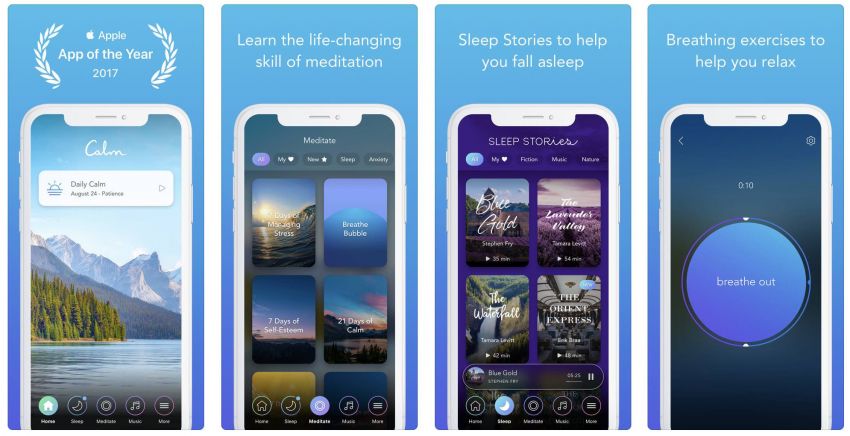
Best Guided Sleep Meditation: How to Find the Right Practice for You
A guided sleep meditation can help make bedtime feel calmer and more predictable. By listening to a gentle voice and following simple instructions, you can shift your attention away from racing thoughts and towards your breathing, body or imagination. There is no single meditation that works for everyone, so the best choice is the one that feels comfortable, soothing and easy to return to.
What is guided sleep meditation?
Guided sleep meditation is an audio practice led by a narrator. It may use breathing exercises, progressive muscle relaxation, visualisation or mindfulness to encourage a quieter state of mind. Some recordings are designed to help you fall asleep; others are simply a relaxing way to end the day.
You do not need to clear your mind or follow every instruction perfectly. If your attention wanders, gently bring it back to the narrator’s voice or the sensation of your breathing.
Types of guided sleep meditation
Body scan meditation
A body scan guides your attention through different parts of your body, often from your feet upwards. It can be a good choice if you feel physically tense or find it difficult to switch off. The aim is not to force your muscles to relax, but to notice how each area feels and let go of unnecessary effort.
Breathing meditation
Breathing practices keep your attention on the natural rhythm of your breath. A narrator may invite you to notice each inhale and exhale or count your breaths. Choose a recording that encourages an easy, unforced rhythm rather than asking you to breathe deeply if that feels uncomfortable.
Guided visualisation
Visualisation uses calm, descriptive imagery, such as walking along a quiet beach or resting in a peaceful garden. This can suit people who enjoy stories and pictures in their mind. If imagining a scene feels distracting, try a body scan or simple breathing practice instead.
Mindfulness meditation
Mindfulness-based recordings encourage you to notice thoughts, sounds and sensations without judging them. This can be useful if you tend to become frustrated by a busy mind. Rather than trying to stop thoughts, you practise letting them pass without following each one.
Sleep stories and relaxing narration
Sleep stories use gentle storytelling, often with slow pacing and unobtrusive background sounds. They are not always meditation in the strict sense, but many people find them a comforting alternative when silence makes it harder to settle.
How to choose the best guided sleep meditation
- Match the style to what you need. Try a body scan for physical tension, breathing guidance for a simple focus, or visualisation if you enjoy imagery.
- Pick a voice you find soothing. A calm, steady narrator matters more than a particular accent or style.
- Start with a short recording. A practice of five to ten minutes can feel more manageable than a longer session.
- Keep the instructions simple. If a technique makes you concentrate too hard, choose a gentler one.
- Consider the sound. Some people prefer silence beneath the narration; others like quiet music or nature sounds. Keep the volume low and comfortable.
- Give it a fair try. Repeating the same practice for several evenings may help you decide whether it suits you.
A simple guided practice to try tonight
Lie down in a comfortable position and let your hands rest loosely. Allow your breathing to continue naturally. Notice the places where your body is supported by the bed.
Bring your attention to your feet. Notice any warmth, coolness or contact with the bedding. There is no need to change anything. When you are ready, move your attention slowly to your legs, your stomach, your shoulders and your face.
If a thought appears, acknowledge it without needing to solve it. Then return to the feeling of the bed supporting you or to the gentle movement of your breath. Continue for as long as feels comfortable.
Tips for making meditation part of your bedtime routine
Try listening at roughly the same time each evening, as part of a wind-down routine. Dim the lights, make yourself comfortable and set your device to a sleep timer if you do not want the audio to continue overnight. If headphones feel uncomfortable in bed, use a speaker at a low volume instead.
It is also fine if you do not fall asleep during the recording. Meditation is a practice, not a test, and quiet rest can still be worthwhile. If listening makes you feel more alert or unsettled, stop and try a different approach another night.
When to seek further support
Guided meditation may support relaxation, but it is not a guaranteed treatment for persistent sleep problems. If poor sleep continues, affects your daily life or is accompanied by other worrying symptoms, speak to your GP or another qualified health professional. They can help you explore possible causes and suitable support.
The best guided sleep meditation is ultimately the one that helps you feel at ease without adding pressure. Start gently, experiment with different styles and choose the practice you are most comfortable returning to.
Top 5 Tips for Effective Guided Sleep Meditation
- Choose a calm voice and gentle pace.
- Use headphones at a comfortable volume.
- Try a body-scan or breathing meditation.
- Set a sleep timer to avoid interruptions.
- Practise regularly for the best results.
Choose a calm voice and gentle pace.
Choose a calm voice and a gentle pace when selecting a guided sleep meditation. A soothing narrator who speaks slowly and naturally can make it easier to follow along without feeling hurried or overstimulated. If the voice or delivery feels distracting, try another recording—personal preference matters, and the right one should help you unwind.
Use headphones at a comfortable volume.
Use headphones at a comfortable volume so you can hear the meditation clearly without straining or disturbing anyone nearby. Keep the sound low enough to remain soothing, and choose soft, well-fitting headphones that feel comfortable when lying down. If wearing headphones in bed feels awkward, try a speaker at a quiet volume instead.
Try a body-scan or breathing meditation.
Try a body-scan or breathing meditation if you want a simple way to settle at bedtime. A body scan gently directs your attention through different parts of your body, helping you notice and release tension, while a breathing meditation encourages you to focus on the natural rhythm of each breath. Choose a calm, unhurried recording and follow along without trying to force yourself to relax or fall asleep.
Set a sleep timer to avoid interruptions.
Set a sleep timer so your guided meditation stops once you’re likely to have drifted off. This prevents the audio from continuing through the night, which can disturb your sleep or wake you if the recording changes volume or moves on to another track. Choose a timer length that gives you time to relax, and keep the volume low and comfortable.
Practise regularly for the best results.
Practising guided sleep meditation regularly can help make it a familiar, calming part of your bedtime routine. Try setting aside a few minutes each evening, even when you do not feel especially stressed, and give the same practice several nights before deciding whether it suits you. There is no need to force sleep or meditate perfectly: consistency and a gentle approach matter more than the length of each session.