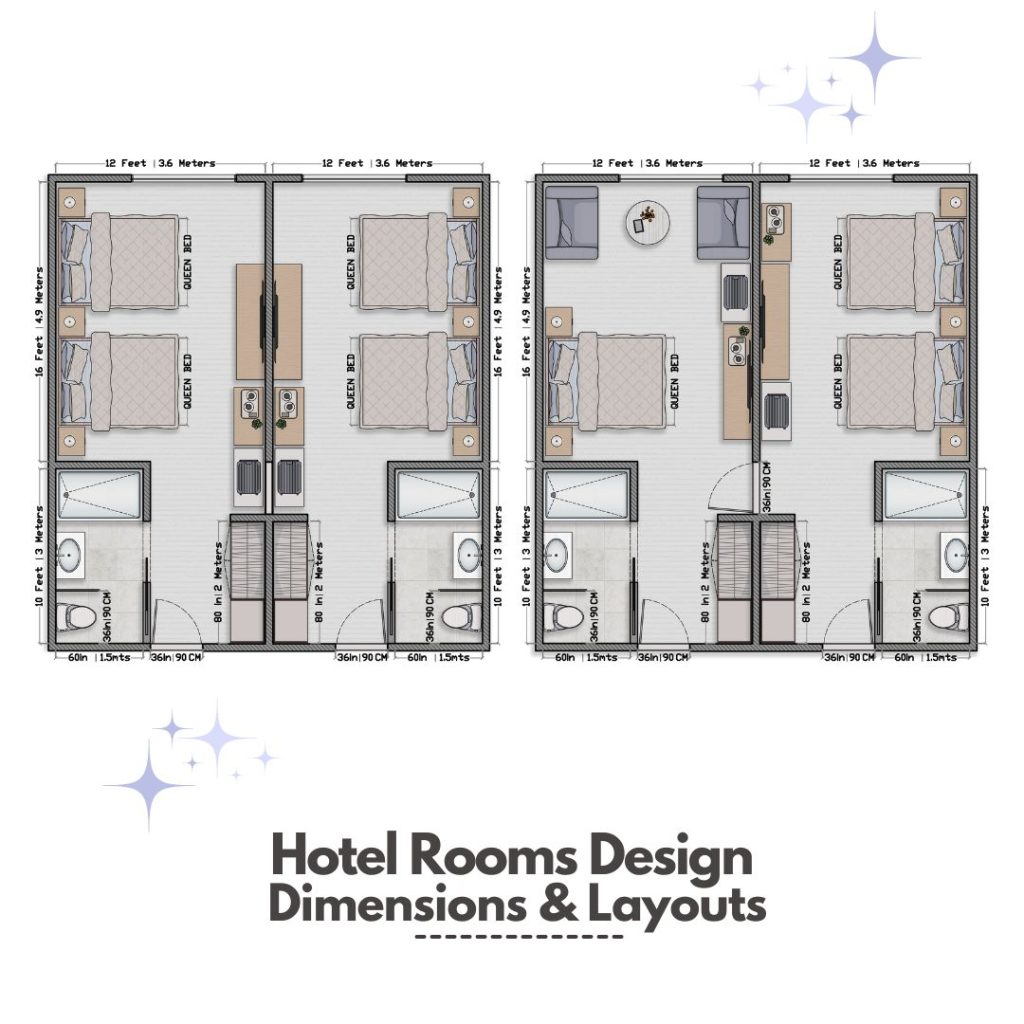
The Art of Room Layout: Creating a Harmonious Space
When it comes to designing a room, the layout plays a crucial role in determining the overall feel and functionality of the space. A well-thought-out room layout can enhance comfort, flow, and aesthetics, creating a harmonious environment that is both visually pleasing and practical.
One key aspect to consider when planning a room layout is the focal point. This could be a fireplace, a window with a stunning view, or a piece of artwork. By orienting the furniture and other elements around this focal point, you can create a sense of balance and draw attention to the most attractive features of the room.
Another important consideration is traffic flow. It’s essential to ensure that there are clear pathways through the room to allow for easy movement. Placing furniture in a way that facilitates natural movement patterns can make the space more inviting and user-friendly.
Furthermore, the scale and proportion of furniture are critical in determining how well they fit into the room. Oversized pieces can overwhelm a small space, while undersized ones may look out of place in a larger room. Finding the right balance between different elements is key to achieving an aesthetically pleasing layout.
Lighting also plays a significant role in room layout. Natural light should be maximized where possible, while artificial lighting can be used strategically to create ambiance and highlight specific areas of interest within the room.
In conclusion, designing an effective room layout involves careful consideration of various factors such as focal points, traffic flow, scale and proportion, and lighting. By paying attention to these aspects and finding the right balance between them, you can create a harmonious space that is both functional and visually appealing.
Optimising Room Layout: Six Tips for a Functional and Inviting Space
- Place furniture in a way that allows for easy movement around the room.
- Consider the function of the room when arranging furniture (e.g. seating area in a living room).
- Ensure there is enough space between furniture pieces for comfort and practicality.
- Use rugs to define different areas within a large room or to add warmth to the space.
- Think about natural light sources and position furniture accordingly to make the most of them.
- Add personal touches like artwork or decorative items to give the room character and personality.
Place furniture in a way that allows for easy movement around the room.
When arranging furniture in a room, it is essential to consider the flow of movement within the space. Placing furniture in a way that allows for easy navigation around the room not only enhances practicality but also contributes to a sense of openness and comfort. By creating clear pathways and ensuring that there is ample space to move freely, you can promote a welcoming and functional layout that makes the room feel more spacious and inviting.
Consider the function of the room when arranging furniture (e.g. seating area in a living room).
When arranging furniture in a room, such as creating a seating area in a living room, it is essential to consider the function of the space. The layout should be designed to cater to the specific activities that will take place in that area. For a living room, where relaxation and socializing are common activities, arranging seating in a way that promotes conversation and comfort is key. By understanding the intended function of the room, you can create a layout that enhances usability and ensures that the space serves its purpose effectively.
Ensure there is enough space between furniture pieces for comfort and practicality.
When planning the layout of a room, it is crucial to ensure that there is adequate space between furniture pieces for both comfort and practicality. By allowing enough room for movement and easy access to each piece, you can create a more functional and inviting space. Proper spacing between furniture not only enhances the visual appeal of the room but also contributes to a more comfortable and seamless experience for those using the space. Whether it’s creating a cozy seating area or arranging a dining set, prioritising sufficient space between furniture pieces is key to achieving a well-balanced and harmonious room layout.
Use rugs to define different areas within a large room or to add warmth to the space.
In the art of room layout, utilising rugs can be a strategic way to define distinct areas within a large room or infuse warmth into the space. Placing rugs strategically can visually separate sections such as a seating area or dining space, creating a sense of cohesion while maintaining individuality. Additionally, the texture and colour of rugs can add depth and cosiness to the room, enhancing its overall ambience and comfort. By incorporating rugs thoughtfully into the layout, one can not only delineate functional zones but also elevate the aesthetic appeal of the room.
Think about natural light sources and position furniture accordingly to make the most of them.
When planning the layout of a room, it is crucial to consider natural light sources and strategically position furniture to maximize their benefits. Placing furniture in relation to windows and other sources of natural light can not only brighten the space but also create a more inviting and airy atmosphere. By allowing sunlight to filter into the room, you can enhance its aesthetics and make it feel more spacious and welcoming. Thinking about natural light sources when arranging furniture is a simple yet effective way to elevate the overall ambiance of a room.
Add personal touches like artwork or decorative items to give the room character and personality.
To elevate the ambiance of a room and infuse it with character and personality, consider adding personal touches such as artwork or decorative items. These elements not only serve as visual focal points but also reflect your unique style and tastes, transforming the space into a reflection of your personality. Whether it’s a striking piece of art that sparks conversation or sentimental decorative items that hold special meaning, incorporating these personal touches can breathe life into the room and make it truly your own.