Relaxation Therapy: A Practical Guide to Finding Calm
Everyday pressures can leave the body tense and the mind feeling busy. Relaxation therapy brings together simple techniques that help people settle, release physical tension and respond more calmly to stress. It is not about making every worry disappear; it is about creating space to pause and practise ways of feeling more at ease.
What is relaxation therapy?
Relaxation therapy is a broad term for structured practices designed to encourage calm. Depending on the approach, a session may involve breathing exercises, gentle movement, guided imagery, mindfulness or the deliberate tensing and releasing of different muscle groups. Some people learn techniques with a trained practitioner, while others practise at home using written or audio guidance.
Relaxation techniques are sometimes used alongside other forms of support, including counselling or medical care. They are not a substitute for professional help when someone is experiencing persistent distress or a health concern.
Common relaxation techniques
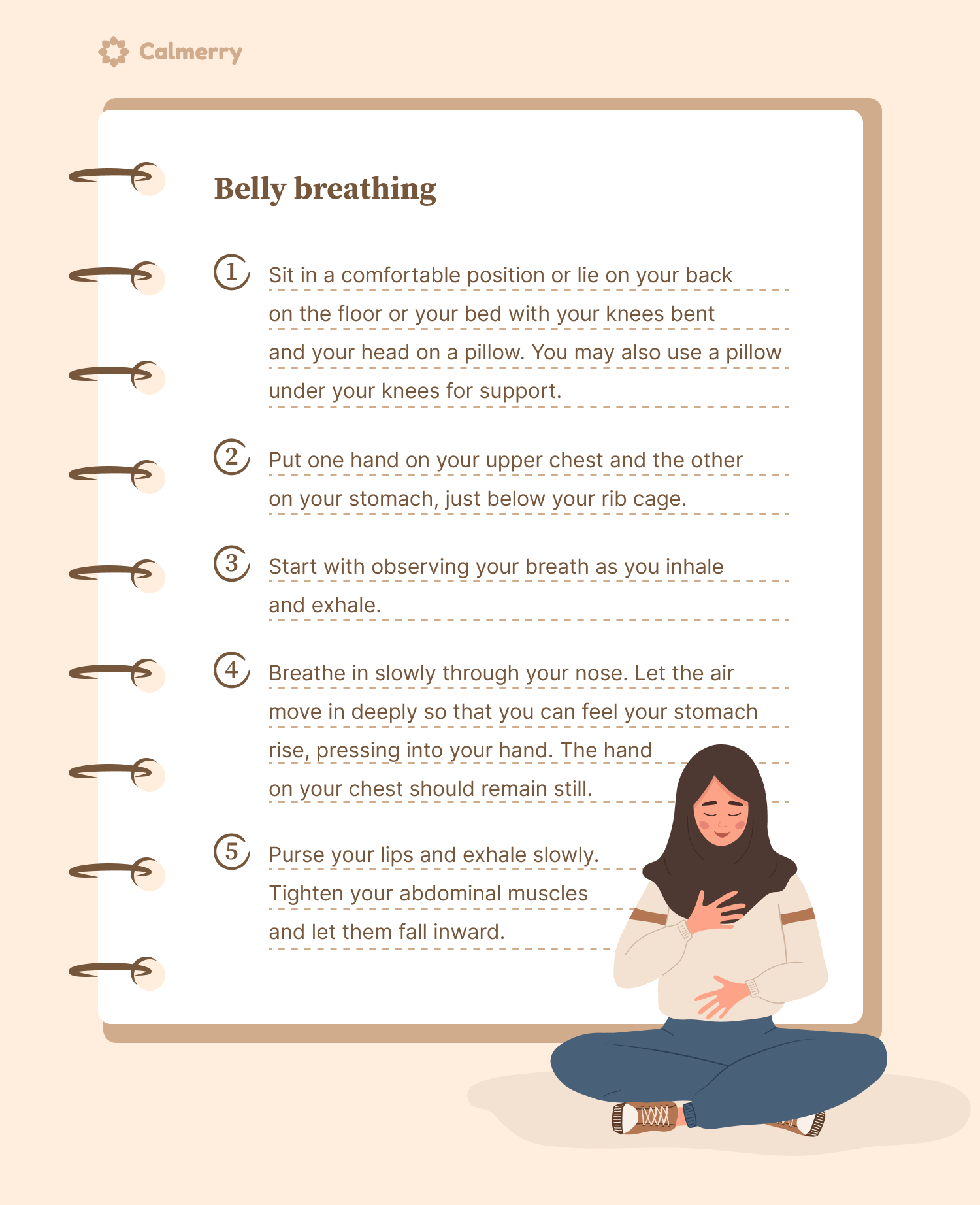
- Slow breathing: Taking gentle, unhurried breaths can help shift attention away from racing thoughts. Breathe comfortably rather than forcing deep breaths, and stop if you feel light-headed.
- Progressive muscle relaxation: This involves briefly tensing and then relaxing muscle groups in turn, helping you notice the difference between tension and release.
- Guided imagery: A recording or practitioner may guide you to picture a peaceful place or scene, using details such as sounds, colours and textures.
- Mindfulness: Paying attention to the present moment, such as the feeling of your feet on the floor or the sounds around you, can help interrupt habitual worry.
- Gentle movement: Practices such as stretching, tai chi or yoga may combine movement with breathing and focused attention. Choose a level that feels comfortable for your body.
Possible benefits
Regular practice may help some people feel calmer, recognise signs of tension earlier and develop a more helpful response to everyday stress. Relaxation exercises may also support rest and general wellbeing. Experiences vary, and these techniques do not work in the same way for everyone.
It can take time to find an approach that feels comfortable. A short, regular practice may be more manageable than trying to set aside a long period. Some people prefer a quiet room, while others find it easier to practise outdoors or with a guided recording.
Getting started safely
Choose a simple technique and practise for a few minutes when you are unlikely to be interrupted. Sit or lie somewhere comfortable, loosen restrictive clothing and let your breathing remain natural. If focusing on your breath feels uncomfortable, try noticing sounds in the room or the sensation of your hands resting in your lap instead.
Relaxation can sometimes bring up difficult feelings or make people more aware of discomfort. If this happens, stop the exercise and return your attention to your surroundings. Anyone with a health condition, a history of trauma or concerns about a particular technique may wish to seek advice from a qualified health professional before beginning.
Making relaxation part of daily life
Relaxation therapy need not involve special equipment or a complicated routine. A few mindful breaths between tasks, a gentle stretch or a short guided exercise before bed can provide a useful pause in the day. The most suitable technique is one that feels safe, practical and easy to return to.
With patience and regular practice, relaxation techniques can become a helpful part of looking after your wellbeing. If stress, anxiety or low mood is persistent or affecting daily life, speak to a GP or another qualified professional about further support.
Essential FAQs About Relaxation Therapy: Techniques, Benefits, and Guidance
- What is relaxation therapy?
- What techniques are used in relaxation therapy?
- How does relaxation therapy work?
- What are the benefits of relaxation therapy?
- Can relaxation therapy help with anxiety and stress?
- How often should I practise relaxation techniques?
- Can I learn relaxation therapy at home?
- Are there any risks or side effects of relaxation therapy?
- How can I find a qualified relaxation therapist?
What is relaxation therapy?
Relaxation therapy is a range of techniques that help calm the mind and ease physical tension. It may include slow breathing, guided imagery, mindfulness, gentle movement or progressive muscle relaxation, where you tense and release different muscle groups. These approaches can help you manage everyday stress and feel more at ease, although they are not a substitute for professional support when distress is ongoing.
What techniques are used in relaxation therapy?
Relaxation therapy can use a range of techniques, depending on a person’s preferences and needs. These may include slow, controlled breathing, progressive muscle relaxation (gently tensing and releasing muscle groups), guided imagery, mindfulness and meditation. Gentle movement, such as stretching, yoga or tai chi, may also be included. A practitioner can help you find an approach that feels comfortable, or you can try a short guided exercise at home.
How does relaxation therapy work?
Relaxation therapy works by helping you focus your attention and ease the body’s stress response. Techniques such as slow breathing, guided imagery and progressive muscle relaxation can help reduce physical tension and encourage a sense of calm. With regular practice, you may become more aware of signs of stress and better able to respond to them. Experiences vary, and relaxation therapy can complement—but does not replace—medical or psychological support when needed.
What are the benefits of relaxation therapy?
Relaxation therapy can help reduce feelings of stress and tension, encourage a calmer state of mind and make it easier to recognise and release physical tightness. With regular practice, techniques such as slow breathing, guided imagery and progressive muscle relaxation may support emotional wellbeing, improve focus and help some people unwind before sleep. Benefits vary from person to person, and relaxation therapy is best viewed as one part of a wider approach to wellbeing rather than a substitute for professional care.
Can relaxation therapy help with anxiety and stress?
Yes, relaxation therapy may help you manage anxiety and stress by teaching techniques such as slow breathing, mindfulness and progressive muscle relaxation. Practising regularly can help you recognise tension and feel calmer, although results vary and it is not a substitute for professional care. If anxiety or stress is persistent or affecting daily life, speak to your GP or a qualified mental health professional.
How often should I practise relaxation techniques?
How often you practise relaxation techniques depends on what suits your routine and how you feel. Many people find that a few minutes each day is more helpful than a longer session now and then, but even occasional practice can offer a useful pause. Start with a technique you enjoy and try it regularly, then adjust the length and frequency to fit your needs.
Can I learn relaxation therapy at home?
Yes, many relaxation techniques can be learnt and practised at home, including slow breathing, guided imagery and progressive muscle relaxation. Start with a short, guided exercise in a quiet, comfortable place and choose a technique that feels right for you. Practise regularly, but stop if you feel uncomfortable or distressed. If you have a health condition or are unsure which approach is suitable, seek advice from a qualified health professional.
Are there any risks or side effects of relaxation therapy?
Relaxation therapy is generally safe, but it can occasionally cause discomfort, such as light-headedness, increased anxiety or difficult emotions—particularly if focusing on breathing or body sensations feels unsettling. Stop the exercise if you feel unwell, and try a gentler technique or seek guidance from a qualified practitioner. If you have a health condition, a history of trauma or concerns about a particular exercise, speak to a healthcare professional before starting. Relaxation therapy should complement, not replace, medical advice or treatment.
How can I find a qualified relaxation therapist?
To find a qualified relaxation therapist, ask your GP or another healthcare professional for a recommendation, or look for practitioners through a reputable professional body that checks members’ training, experience and insurance. Before booking, ask about their qualifications, the techniques they use, and whether they have experience supporting people with needs similar to yours. A reliable therapist should explain what sessions involve, welcome questions and avoid promising guaranteed results. If you have a health condition or are receiving treatment, check with your healthcare professional that the approach is suitable.