Relaxation Techniques for Managing Anxiety
Anxiety can be overwhelming, but there are effective relaxation techniques that can help you manage and alleviate the symptoms. Incorporating these techniques into your daily routine can promote a sense of calm and tranquility.
Deep Breathing Exercises
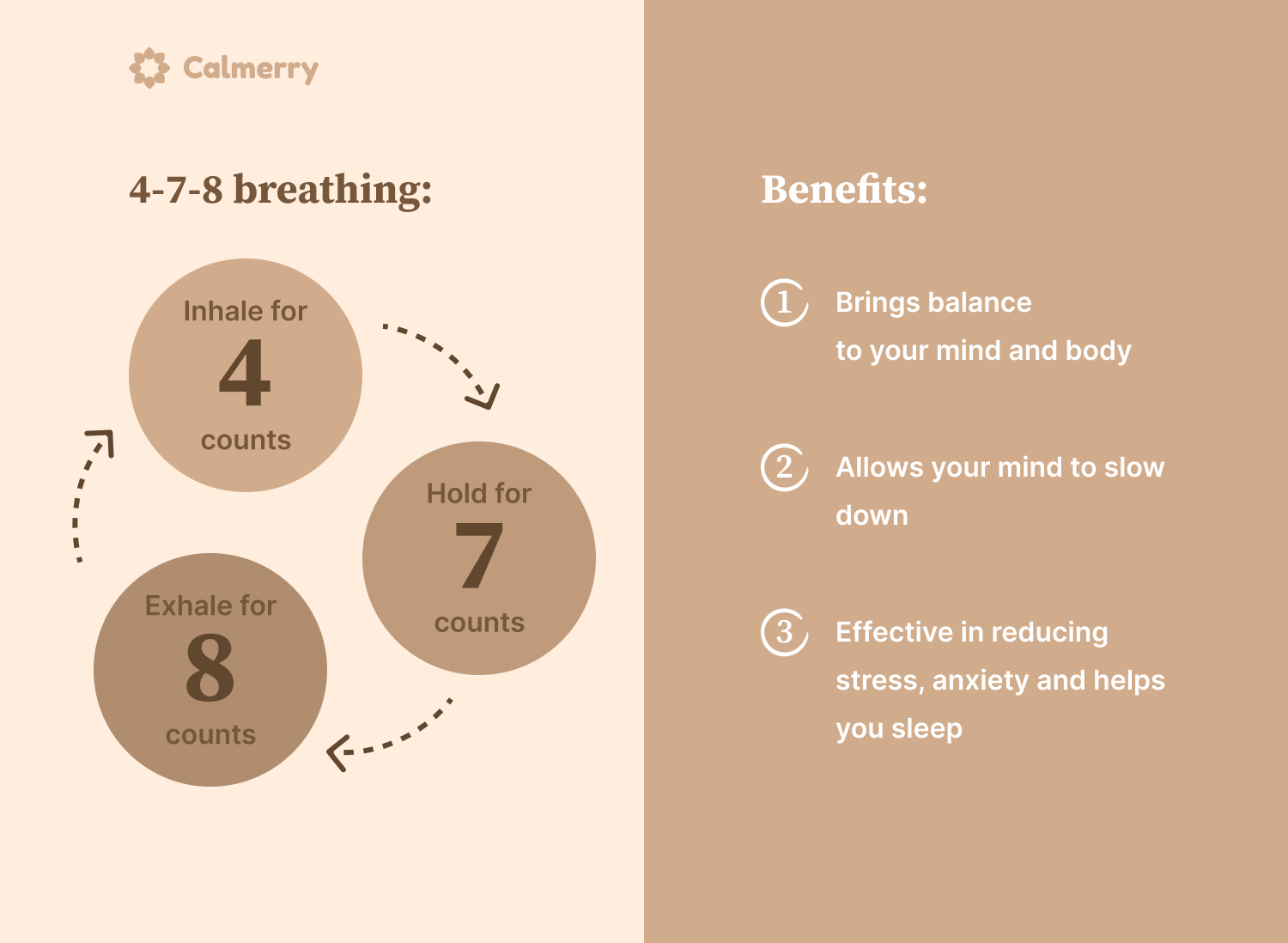
Deep breathing exercises are a simple yet powerful way to reduce anxiety. By focusing on your breath and taking slow, deep breaths, you can activate the body’s relaxation response and calm your mind.
Progressive Muscle Relaxation
This technique involves tensing and then relaxing each muscle group in the body, one at a time. Progressive muscle relaxation helps release physical tension and promotes overall relaxation.
Mindfulness Meditation
Mindfulness meditation involves being fully present in the moment and observing your thoughts without judgment. This practice can help you develop a greater awareness of your emotions and reduce anxiety levels.
Guided Imagery
Guided imagery involves visualizing peaceful scenes or experiences to create a sense of calm. By engaging your imagination in positive imagery, you can shift your focus away from anxious thoughts.
Yoga and Tai Chi
Yoga and Tai Chi are gentle forms of exercise that combine physical movement with mindfulness practices. These activities can help reduce stress, improve flexibility, and promote relaxation.
Aromatherapy
Aromatherapy uses essential oils to promote relaxation and alleviate anxiety symptoms. Scents like lavender, chamomile, and bergamot have calming properties that can help soothe the mind.
By incorporating these relaxation techniques into your daily routine, you can effectively manage anxiety and improve your overall well-being. Remember to find what works best for you and make time for self-care amidst life’s challenges.
Seven Effective Relaxation Techniques to Ease Anxiety
- Practice deep breathing exercises
- Engage in mindfulness meditation
- Take regular breaks to stretch and relax your muscles
- Listen to calming music or nature sounds
- Try progressive muscle relaxation techniques
- Spend time in nature or green spaces
- Limit caffeine and alcohol intake
Practice deep breathing exercises
One effective tip for managing anxiety is to practice deep breathing exercises. By focusing on your breath and taking slow, deep inhalations and exhalations, you can activate the body’s relaxation response. Deep breathing helps calm the mind, reduce stress levels, and promote a sense of tranquility. Incorporating this simple yet powerful technique into your daily routine can provide immediate relief during moments of anxiety and contribute to long-term emotional well-being.
Engage in mindfulness meditation
Engaging in mindfulness meditation is a powerful relaxation technique for managing anxiety. By practising mindfulness, you can cultivate a heightened awareness of the present moment and observe your thoughts without judgment. This practice allows you to distance yourself from anxious thoughts and emotions, promoting a sense of inner peace and calm. Incorporating mindfulness meditation into your daily routine can help reduce stress levels and improve overall mental well-being.
Take regular breaks to stretch and relax your muscles
Taking regular breaks to stretch and relax your muscles is a simple yet effective tip for managing anxiety. By incorporating short stretching sessions into your day, you can release physical tension, improve circulation, and promote a sense of relaxation. Whether you’re working at a desk or engaging in daily activities, pausing to stretch can help alleviate stress and contribute to a calmer state of mind. Prioritising these moments of self-care can make a significant difference in how you feel throughout the day.
Listen to calming music or nature sounds
Listening to calming music or nature sounds can be a soothing way to reduce anxiety and promote relaxation. The gentle melodies and natural sounds can create a peaceful atmosphere, helping to quiet a racing mind and alleviate stress. Whether it’s the soft notes of a piano, the gentle rustling of leaves in the wind, or the rhythmic sound of ocean waves, immersing yourself in these sounds can provide a sense of tranquility and comfort during moments of heightened anxiety. Incorporating this simple yet effective technique into your daily routine can be a valuable tool in managing anxiety and fostering a sense of calm.
Try progressive muscle relaxation techniques
Progressive muscle relaxation techniques can be a powerful tool in managing anxiety. By systematically tensing and then relaxing different muscle groups in the body, this method helps release physical tension and promote a deep sense of relaxation. Through this practice, individuals can become more attuned to the connection between their physical state and emotional well-being, ultimately aiding in reducing feelings of anxiety and stress.
Spend time in nature or green spaces
Spending time in nature or green spaces can be a powerful relaxation technique for managing anxiety. Immersing oneself in the natural world allows for a break from the hustle and bustle of daily life, providing a sense of peace and tranquility. The sights, sounds, and scents of nature can have a calming effect on the mind and body, helping to reduce stress levels and promote a feeling of well-being. Whether it’s taking a leisurely stroll in a park, sitting by a tranquil lake, or simply enjoying the beauty of a garden, connecting with nature can be a rejuvenating experience that soothes the soul and eases anxious thoughts.
Limit caffeine and alcohol intake
Limiting caffeine and alcohol intake can significantly impact anxiety levels. Caffeine is a stimulant that can exacerbate feelings of nervousness and restlessness, while alcohol, though initially calming, can disrupt sleep patterns and lead to increased anxiety in the long run. By reducing consumption of these substances, individuals may experience a greater sense of calm and mental clarity, allowing for better management of anxiety symptoms. Making conscious choices about what we consume plays a crucial role in promoting overall well-being and finding peace of mind.