
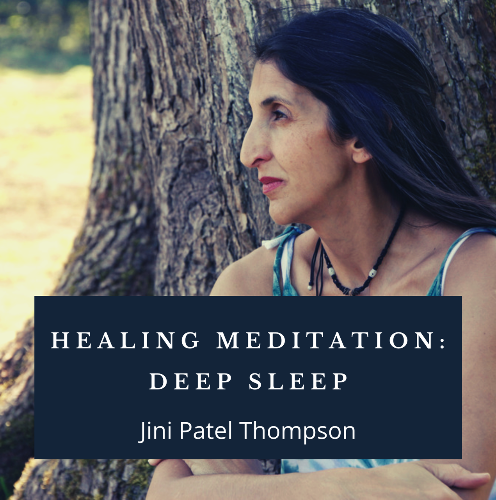
The Power of Deep Sleep Meditation
Deep sleep meditation is a powerful practice that can transform your sleep quality and overall well-being. In today’s fast-paced world, many people struggle with stress, anxiety, and insomnia, leading to poor sleep patterns and a lack of restorative rest.
By incorporating deep sleep meditation into your bedtime routine, you can tap into the profound benefits of relaxation and mindfulness. This practice involves guided meditation techniques that help calm the mind, release tension from the body, and induce a state of deep relaxation conducive to falling asleep.
Research has shown that deep sleep meditation can improve the quality of your sleep by promoting a sense of peace and tranquility before bedtime. By quieting the mind and focusing on positive thoughts and sensations, you can create an environment that is conducive to drifting off into a deep and restful slumber.
Furthermore, deep sleep meditation has been linked to reduced levels of stress hormones in the body, lower blood pressure, and improved mental clarity. By cultivating a regular meditation practice before bed, you can train your mind and body to relax more easily, leading to better sleep quality and overall health.
Incorporating deep sleep meditation into your nightly routine doesn’t have to be complicated. Simply find a quiet space free from distractions, play a guided meditation audio track or follow along with a script, and allow yourself to fully immerse in the practice. With consistency and dedication, you may soon find yourself enjoying deeper and more restorative sleep each night.
Discover the transformative power of deep sleep meditation today and unlock the key to a rejuvenated mind, body, and spirit.
Exploring Deep Sleep Meditation: Answers to 9 Common Questions
- What is deep sleep meditation?
- How does deep sleep meditation improve sleep quality?
- When is the best time to practice deep sleep meditation?
- Can beginners benefit from deep sleep meditation?
- What are some common techniques used in deep sleep meditation?
- How long should I meditate for deep sleep benefits?
- Can deep sleep meditation help with insomnia?
- Are there specific tips for incorporating deep sleep meditation into my bedtime routine?
- Is it necessary to have prior experience with regular mediation before trying out Deep Sleep Meditation?
What is deep sleep meditation?
Deep sleep meditation is a practice that involves guided techniques to help individuals achieve a state of profound relaxation and tranquility conducive to deep and restorative sleep. By focusing on calming the mind, releasing tension from the body, and promoting mindfulness, deep sleep meditation aims to create an environment that allows for a peaceful transition into a rejuvenating slumber. This form of meditation is designed to quiet the mental chatter, reduce stress levels, and enhance the overall quality of sleep by inducing a sense of peace and serenity before bedtime. Embracing deep sleep meditation can lead to improved sleep patterns, reduced anxiety, and a greater sense of well-being.
How does deep sleep meditation improve sleep quality?
Deep sleep meditation enhances sleep quality by calming the mind and body, reducing stress and anxiety levels, and promoting a state of deep relaxation conducive to falling asleep. By engaging in guided meditation techniques before bedtime, individuals can create a peaceful environment that helps quiet the mind and release tension from the body. This practice allows for a smoother transition into sleep, leading to longer periods of restorative deep sleep throughout the night. Over time, regular deep sleep meditation can help regulate sleep patterns, improve overall well-being, and cultivate a sense of inner peace that contributes to enhanced sleep quality.
When is the best time to practice deep sleep meditation?
Determining the best time to practice deep sleep meditation is a common query among those seeking to enhance their sleep quality. While there is no one-size-fits-all answer, many experts recommend incorporating deep sleep meditation into your bedtime routine. Engaging in this practice just before you go to bed can help calm the mind, release tension from the body, and create a sense of relaxation conducive to falling asleep. By making deep sleep meditation a nightly ritual, you can set the stage for a restful and rejuvenating night’s sleep. Experimenting with different times and finding what works best for you is key to establishing a sustainable meditation practice that supports your overall well-being.
Can beginners benefit from deep sleep meditation?
For beginners embarking on their journey into deep sleep meditation, the answer is a resounding yes. Deep sleep meditation offers a wealth of benefits for individuals new to the practice, providing a gentle introduction to relaxation techniques that can significantly enhance their sleep quality. By cultivating mindfulness and learning to quiet the mind before bedtime, beginners can experience improved sleep patterns, reduced stress levels, and a greater sense of peace and tranquility. With dedication and practice, even those new to deep sleep meditation can unlock its transformative power and enjoy the restorative benefits it brings to both mind and body.
What are some common techniques used in deep sleep meditation?
In the realm of deep sleep meditation, practitioners often employ various techniques to enhance relaxation and promote restful sleep. Some common methods include guided imagery, progressive muscle relaxation, deep breathing exercises, body scans, and mindfulness meditation. Guided imagery involves visualizing peaceful scenes to calm the mind, while progressive muscle relaxation focuses on releasing tension from different muscle groups. Deep breathing exercises help regulate the breath and induce a state of calmness, while body scans involve focusing on each part of the body to promote relaxation. Mindfulness meditation encourages being present in the moment and letting go of racing thoughts. By incorporating these techniques into a bedtime routine, individuals can create an optimal environment for achieving deep and rejuvenating sleep.
How long should I meditate for deep sleep benefits?
When it comes to reaping the benefits of deep sleep meditation, a common question that arises is: “How long should I meditate for optimal results?” While there is no one-size-fits-all answer, experts suggest that dedicating around 20 to 30 minutes to deep sleep meditation before bedtime can be beneficial. This timeframe allows ample opportunity to relax the mind, release tension from the body, and enter a state of deep relaxation conducive to falling asleep. However, the key lies in consistency and finding a duration that works best for you personally. Experimenting with different lengths of meditation sessions can help you determine what duration helps you achieve the most profound and restorative sleep benefits.
Can deep sleep meditation help with insomnia?
Deep sleep meditation can indeed be a valuable tool in managing insomnia. By engaging in deep sleep meditation practices before bedtime, individuals struggling with insomnia can create a calming and conducive environment for restful sleep. The guided meditation techniques employed in deep sleep meditation help quiet the mind, reduce stress and anxiety levels, and promote relaxation, all of which are essential for overcoming insomnia. Regular practice of deep sleep meditation can retrain the mind and body to enter a state of deep relaxation, making it easier to fall asleep and stay asleep throughout the night. If incorporated into a consistent bedtime routine, deep sleep meditation has the potential to significantly improve sleep quality and alleviate symptoms of insomnia over time.
Are there specific tips for incorporating deep sleep meditation into my bedtime routine?
For those seeking to incorporate deep sleep meditation into their bedtime routine, there are several specific tips to enhance the practice. Firstly, setting aside a dedicated time each evening for meditation can signal to the mind and body that it is time to unwind and prepare for sleep. Creating a calming environment free from distractions, such as turning off electronic devices and dimming lights, can further aid in promoting relaxation. Utilising guided meditation audio tracks or scripts tailored for deep sleep can help guide the mind towards a state of tranquility. Consistency is key, so establishing a regular bedtime ritual that includes deep sleep meditation can signal to the body’s internal clock that it is time to rest, leading to improved sleep quality over time.
Is it necessary to have prior experience with regular mediation before trying out Deep Sleep Meditation?
When considering deep sleep meditation, many wonder if prior experience with regular meditation is a prerequisite. While having a foundation in meditation can certainly enhance your practice, it is not necessary to have prior experience with regular meditation before trying out deep sleep meditation. Deep sleep meditation often involves guided techniques specifically designed to help you relax and unwind before bedtime, making it accessible even to beginners. By following along with guided instructions and allowing yourself to embrace the process, you can still reap the benefits of deep relaxation and improved sleep quality without needing extensive prior meditation experience. Give yourself permission to explore this practice with an open mind and willingness to learn, regardless of your previous meditation background.
