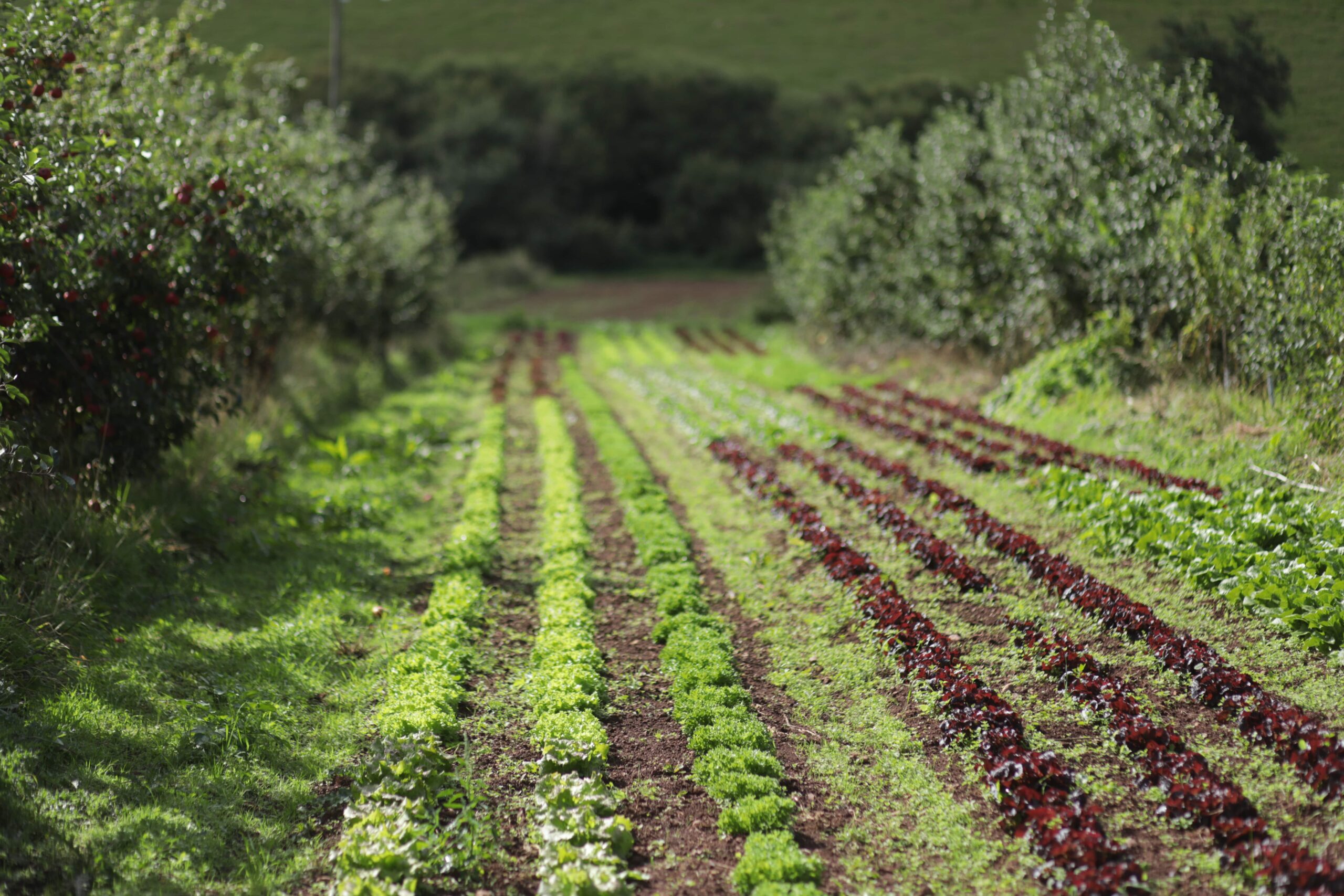
The Benefits of Choosing Organic
Organic products have gained popularity in recent years as more people become conscious of their health and the environment. But what exactly does it mean for a product to be organic?
Organic refers to the way agricultural products are grown and processed. Organic farming practices promote ecological balance and conserve biodiversity. This means no synthetic pesticides, herbicides, or fertilizers are used, and animals are raised without the use of antibiotics or growth hormones.
One of the key benefits of choosing organic is that it reduces exposure to harmful chemicals. Conventional farming often involves the use of synthetic chemicals that can leave residues on food, which may have adverse effects on human health over time. By opting for organic products, consumers can lower their intake of potentially harmful substances.
Furthermore, organic farming is better for the environment. It helps to reduce pollution, conserve water, and improve soil quality. Organic practices also support animal welfare by providing animals with more natural living conditions.
When it comes to taste, many people find that organic produce has a richer flavour compared to conventionally grown counterparts. This is because organic farming focuses on enhancing soil health, which in turn enhances the nutrient content and taste of the crops.
In conclusion, choosing organic is not just about personal health; it’s also about supporting sustainable practices that benefit both people and the planet. By making informed choices and opting for organic products whenever possible, we can contribute to a healthier future for ourselves and future generations.
Understanding Organic: Your Top 5 Questions Answered
- What does ‘organic’ mean?
- Why choose organic products?
- Are organic products healthier than non-organic ones?
- How are organic foods grown without pesticides?
- Where can I buy organic products?
What does ‘organic’ mean?
The term ‘organic’ refers to a method of farming and food production that prioritises natural processes and sustainability. Organic practices involve avoiding the use of synthetic chemicals such as pesticides, herbicides, and fertilisers, as well as promoting animal welfare by prohibiting the use of antibiotics and growth hormones in livestock. By choosing organic products, consumers can support environmentally friendly farming methods that aim to protect biodiversity, reduce pollution, and improve soil health. Ultimately, opting for organic means making a conscious decision to consume food that is produced in a way that is healthier for both people and the planet.
Why choose organic products?
Choosing organic products offers a multitude of benefits that resonate with both personal well-being and environmental sustainability. Organic products are cultivated and processed without the use of synthetic pesticides, herbicides, or fertilizers, reducing exposure to harmful chemicals and promoting a healthier lifestyle. By opting for organic, consumers support farming practices that prioritize ecological balance, biodiversity conservation, and animal welfare. Additionally, organic produce often boasts superior taste due to its focus on enhancing soil health and nutrient content. Ultimately, choosing organic is a conscientious decision that not only benefits individual health but also contributes to a more sustainable future for our planet.
Are organic products healthier than non-organic ones?
The question of whether organic products are healthier than non-organic ones is a common query among consumers. While scientific research on this topic is ongoing, many people choose organic products believing that they are healthier due to the absence of synthetic chemicals such as pesticides and fertilizers. Organic farming practices also tend to focus on soil health and biodiversity, which can lead to higher nutrient content in organic produce. However, it’s essential to note that the overall health benefits of organic versus non-organic products may vary depending on individual preferences and priorities. Ultimately, making informed choices based on personal values and understanding the potential advantages of organic products can help consumers decide what is best for their health and well-being.
How are organic foods grown without pesticides?
Organic foods are grown without the use of synthetic pesticides through the implementation of organic farming practices. Instead of relying on chemical pesticides, organic farmers employ natural methods to manage pests and diseases in their crops. This includes techniques such as crop rotation, companion planting, and the use of natural predators to control pest populations. By prioritising soil health and biodiversity, organic farmers create a balanced ecosystem that is more resilient to pests and diseases, allowing them to produce high-quality organic foods without the need for harmful synthetic pesticides.
Where can I buy organic products?
When seeking to purchase organic products, there are several options available to consumers. Many supermarkets and grocery stores now have dedicated sections or aisles specifically for organic items, making it convenient to find a variety of organic produce, dairy, meat, and packaged goods in one place. Additionally, local farmers’ markets are excellent sources for fresh organic fruits and vegetables directly from growers. Health food stores and specialty shops often stock a wide range of organic products, including pantry staples and personal care items. Online retailers also offer a convenient way to access a diverse selection of organic goods that can be delivered straight to your doorstep. By exploring these different avenues, individuals can easily find and purchase high-quality organic products that align with their values and preferences.