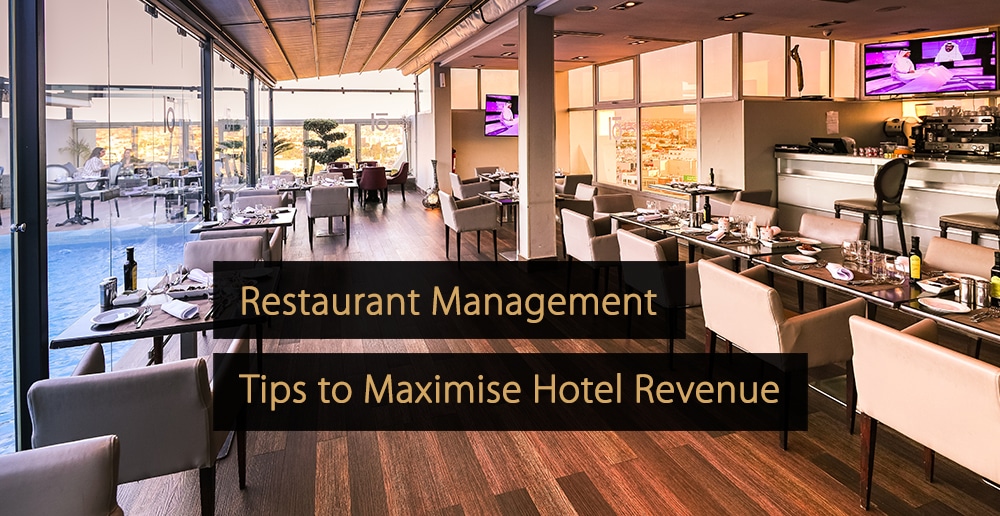
Hotel Restaurant Management: The Key to Success
In the hospitality industry, the role of hotel restaurant management is crucial in ensuring a seamless dining experience for guests. A well-managed restaurant not only enhances the overall guest satisfaction but also contributes significantly to the hotel’s reputation and profitability.
Effective restaurant management involves a combination of strategic planning, efficient operations, and exceptional customer service. Here are some key aspects that hotel restaurant managers should focus on:
Menu Planning and Innovation
Creating a diverse and appealing menu is essential to attract guests and keep them coming back. Hotel restaurant managers should continually assess customer preferences, market trends, and seasonal variations to develop innovative dishes that cater to a wide range of tastes.
Quality Control
Maintaining high standards of food quality and presentation is non-negotiable in the hospitality industry. Hotel restaurant managers must ensure that all dishes meet the established quality benchmarks and are served in an aesthetically pleasing manner.
Staff Training and Development
A well-trained and motivated team is instrumental in delivering exceptional service. Hotel restaurant managers should invest in ongoing training programs to enhance staff skills, product knowledge, and customer interaction techniques.
Cost Control
Managing costs effectively is critical for the financial sustainability of a hotel restaurant. From inventory control to portion management, restaurant managers need to implement strategies that minimise wastage and maximise profitability without compromising on quality.
Customer Service Excellence
The guest experience hinges on outstanding customer service. Hotel restaurant managers should instil a culture of hospitality among their staff, emphasising attentiveness, responsiveness, and personalised interactions with guests.
In conclusion, hotel restaurant management plays a pivotal role in shaping the overall success of a hotel’s dining establishment. By focusing on menu planning, quality control, staff training, cost management, and customer service excellence, restaurant managers can elevate the dining experience for guests and drive business growth.
9 Essential Tips for Effective Hotel Restaurant Management
- Ensure high standards of cleanliness and hygiene in the restaurant.
- Train staff to provide excellent customer service and uphold professional conduct.
- Regularly update the menu to offer variety and cater to different tastes.
- Monitor food quality to maintain consistency and meet customer expectations.
- Implement cost-control measures to manage expenses effectively.
- Utilize technology for efficient reservation management and order processing.
- Seek feedback from guests to improve dining experiences and address any issues promptly.
- Promote special offers or themed nights to attract more customers and boost revenue.
- Collaborate with other hotel departments for seamless operations and guest satisfaction.
Ensure high standards of cleanliness and hygiene in the restaurant.
Maintaining impeccable standards of cleanliness and hygiene in the restaurant is paramount in hotel restaurant management. A pristine dining environment not only enhances the overall dining experience for guests but also demonstrates a commitment to their health and well-being. By upholding rigorous cleanliness protocols, such as regular sanitisation of surfaces, proper food handling practices, and strict adherence to hygiene regulations, restaurant managers can instil confidence in guests and create a safe and inviting atmosphere for dining. Prioritising cleanliness not only safeguards the reputation of the establishment but also contributes to the overall success of the restaurant by fostering trust and loyalty among patrons.
Train staff to provide excellent customer service and uphold professional conduct.
One of the key tips in effective hotel restaurant management is to prioritise staff training to deliver exceptional customer service and maintain a high standard of professional conduct. By investing in comprehensive training programmes, hotel restaurant managers can equip their staff with the necessary skills and knowledge to engage with guests attentively, respond to their needs promptly, and create a welcoming atmosphere. Upholding professional conduct ensures that every interaction with guests reflects positively on the establishment, fostering trust and loyalty among customers. Training staff to excel in customer service not only enhances the overall dining experience but also contributes significantly to the hotel’s reputation and success in the competitive hospitality industry.
Regularly update the menu to offer variety and cater to different tastes.
In the realm of hotel restaurant management, a valuable tip is to regularly update the menu to provide a diverse selection and accommodate various palates. By introducing new dishes and rotating menu items, hotels can keep guests intrigued and satisfied, catering to a range of tastes and preferences. This practice not only showcases culinary creativity but also ensures that guests have fresh dining experiences each time they visit, enhancing their overall satisfaction and loyalty to the establishment.
Monitor food quality to maintain consistency and meet customer expectations.
To ensure a memorable dining experience for guests, hotel restaurant managers must diligently monitor food quality to uphold consistency and exceed customer expectations. By maintaining strict quality control measures and regularly evaluating the taste, presentation, and freshness of dishes, managers can guarantee that every meal served reflects the high standards expected by patrons. Consistency in food quality not only fosters loyalty among customers but also establishes the restaurant’s reputation for excellence in culinary offerings.
Implement cost-control measures to manage expenses effectively.
Implementing cost-control measures is a critical aspect of effective hotel restaurant management. By carefully monitoring expenses and implementing strategies to minimise wastage and maximise efficiency, restaurant managers can ensure the financial sustainability of the establishment. From controlling inventory levels to managing portion sizes, cost-control measures help in maintaining profitability without compromising on the quality of food and service offered to guests. By prioritising cost management, hotel restaurant managers can make informed decisions that contribute to the overall success and longevity of the dining establishment.
Utilize technology for efficient reservation management and order processing.
In the realm of hotel restaurant management, leveraging technology for streamlined reservation management and order processing is a game-changer. By embracing digital solutions, such as reservation systems and online ordering platforms, hotel restaurants can enhance efficiency, reduce errors, and improve the overall guest experience. Automated reservation management not only simplifies the booking process for guests but also enables restaurants to optimise table allocation and staffing levels. Similarly, digital order processing systems facilitate swift and accurate communication between the kitchen and front-of-house staff, ensuring prompt service delivery. Embracing technology in these areas empowers hotel restaurants to operate seamlessly and cater to guest needs with precision and agility.
Seek feedback from guests to improve dining experiences and address any issues promptly.
Seeking feedback from guests is a valuable practice in hotel restaurant management. By actively soliciting and listening to guest feedback, restaurant managers can gain insights into diners’ preferences, identify areas for improvement, and address any issues promptly. This feedback loop not only demonstrates a commitment to customer satisfaction but also allows restaurants to continuously refine their offerings and service quality. Engaging with guests in this way fosters a sense of transparency and responsiveness, ultimately leading to enhanced dining experiences and long-lasting relationships with patrons.
Promote special offers or themed nights to attract more customers and boost revenue.
To enhance the appeal of a hotel restaurant and increase revenue, it is advisable to promote special offers or themed nights. By introducing enticing deals or themed dining experiences, such as a gourmet buffet night or a wine-tasting event, hotel restaurant managers can attract a wider customer base and create a buzz around their establishment. These initiatives not only draw in new patrons but also encourage repeat business from existing guests eager to explore different culinary experiences. Ultimately, promoting special offers and themed nights can be an effective strategy to boost customer engagement, drive footfall, and enhance the overall profitability of the hotel restaurant.
Collaborate with other hotel departments for seamless operations and guest satisfaction.
Collaboration with other hotel departments is a vital tip for effective hotel restaurant management, ensuring seamless operations and enhanced guest satisfaction. By working closely with departments such as housekeeping, front desk, and maintenance, restaurant managers can streamline processes, anticipate guest needs, and deliver a cohesive experience. This collaborative approach fosters teamwork, communication, and a shared commitment to providing guests with exceptional service throughout their stay. By aligning efforts across departments, hotels can create a harmonious environment that leaves a lasting impression on guests and contributes to overall success.